Indian incense has developed a strong presence in international markets, particularly among wellness retailers, spiritual stores, ethnic retailers, home-fragrance businesses and private-label brands. However, for importers and wholesalers, the best Indian Agarbatti Brand is not necessarily the most famous one, it is the supplier that combines fragrance quality, consistency, export capability, packaging flexibility and dependable bulk supply.
Why Is Indian Agarbatti Popular in International Markets?
Indian agarbatti has a distinctive position in the global incense market because of India’s long association with incense-making, traditional fragrances and spiritual practices. International consumers use incense for meditation, yoga, relaxation, prayer, aromatherapy-inspired routines and home ambience.
Demand is also becoming more diverse. Buyers are no longer looking only for traditional sandalwood or floral fragrances. They may require premium woody profiles, fresh fragrances, fruity combinations, floral aromas and products designed specifically for wellness or lifestyle retail.
This creates opportunities for an Indian Incense Stick Supplier that can offer a broad fragrance portfolio while maintaining consistent quality across batches.
For buyers, therefore, the appeal of Indian agarbatti comes from a combination of fragrance heritage, manufacturing expertise, product variety and export availability.
Which Indian Agarbatti Brand Is Most Famous in the USA and Europe?
There is no universally accepted public ranking that can establish one Indian incense company as the “most famous” in both the USA and Europe. Consumer recognition, retail presence, shipment volumes and wholesale distribution are different measures of market visibility.
Therefore, when searching for the best Indian Agarbatti Brand, buyers should distinguish between consumer fame and B2B sourcing capability.
A brand may be widely recognised by consumers but may not offer the MOQ, packaging customization, private-label support or production capacity required by an importer. Conversely, a manufacturer with strong export infrastructure may be an excellent sourcing partner even if it does not have the same consumer recognition as a globally marketed retail brand.
This distinction is particularly important for wholesalers, distributors and private-label businesses.
Indian Incense Sticks in USA: What Do Buyers Look For?
The market for Indian Incense Sticks in USA covers several customer segments, including spiritual and wellness stores, yoga studios, meditation businesses, Indian grocery retailers, gift stores, home-fragrance retailers and online sellers.
American buyers may look for:
- Distinctive and long-lasting fragrance profiles
- Consistent burn performance
- Attractive retail packaging
- Reliable product availability
- Private-label opportunities
- Suitable case and carton quantities
- Clear product specifications
- Competitive wholesale pricing
Fragrance selection can be particularly important. Traditional profiles such as sandalwood, rose and floral fragrances can appeal to customers familiar with Indian incense, while lavender, fruity and contemporary combinations can broaden the product’s appeal.
For an importer sourcing Wholesale Incense Sticks from India, the supplier’s ability to reproduce the same fragrance and burning characteristics across repeat orders is often more important than brand recognition alone.
Indian Incense Sticks in Europe: What Should Buyers Consider?
The requirements for Indian Incense Sticks in Europe can vary according to the destination country, sales channel and intended application. European importers may place greater emphasis on documentation, packaging information, ingredient transparency, product consistency and responsible sourcing.
Retail presentation also matters. A product intended for a premium wellness shop may require different packaging from an ethnic grocery product or a private-label range.
European buyers should therefore assess:
- Product specifications and fragrance consistency
- Packaging and labeling requirements
- Ingredient and material information
- Export documentation
- Quality-control practices
- Private-label capabilities
- Minimum order quantities
- Sample approval procedures
- Production and replenishment capacity
The right Indian Agarbatti Exporter should be able to communicate these requirements clearly before a commercial order is finalized.
What Makes the Best Indian Agarbatti Brand for B2B Buyers?
The best Indian Agarbatti Brand for an international buyer should be evaluated through measurable supplier capabilities rather than popularity alone.
1. Fragrance Variety
A diverse catalogue gives importers more opportunities to create different product collections. Traditional sandalwood, rose, mogra and kewda can serve customers looking for familiar Indian profiles, while lavender, fruity and premium woody fragrances can address wider lifestyle and wellness segments.
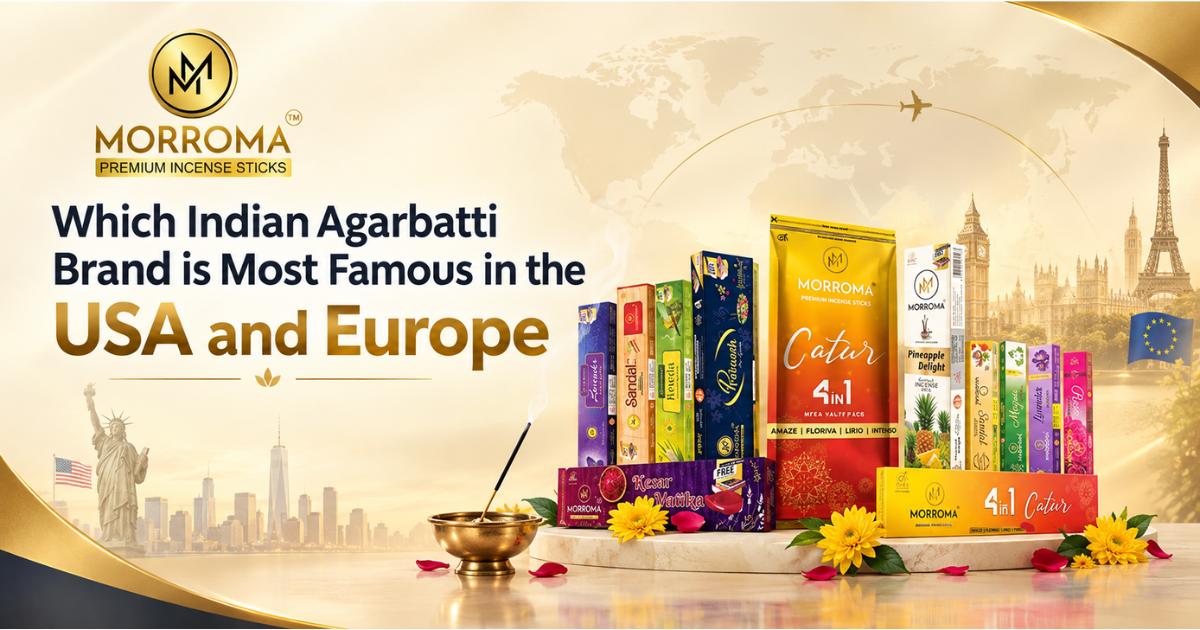
Ashic Agarbatti’s current portfolio includes Prakaash, 4 in 1 Catur, Kesar Vatika, Kewda, Lavender, Mogra, Oudh, Pineapple Delight, Rose and Sandal. The company identifies Prakaash, 4 in 1 Catur, Oudh and Sandal among its best sellers.
2. Fragrance and Ingredient Quality
International buyers should ask what materials and fragrance systems are used, how products are tested and how consistency is maintained.
The objective should not simply be a strong initial aroma. Buyers should assess fragrance diffusion, burn behaviour, ash characteristics and the consistency of the scent throughout the burning cycle.
3. Burn Time and Performance
Burn time should be evaluated through product samples rather than relying on generic claims. Importers should compare:
- Approximate burn duration
- Fragrance release
- Smoke characteristics
- Ash formation
- Ease of lighting
- Consistency between sticks
A supplier that provides samples before bulk purchasing gives buyers an opportunity to conduct their own quality assessment.
4. Manufacturing Capacity
Production capacity becomes critical when a retailer or distributor moves from trial orders to regular replenishment.
An experienced Incense Sticks Manufacturer in India should have adequate manufacturing, packing and quality-control infrastructure to handle recurring orders without compromising product consistency.
Why Ashic Agarbatti Can Be Considered for International Sourcing
For international buyers evaluating an Indian Agarbatti Exporter, Ashic Agarbatti offers several relevant B2B capabilities.
Based in Sivakasi, Tamil Nadu, Ashic Agarbatti operates as an incense manufacturer and exporter and states that it serves international markets including the USA, UK, Canada, UAE, Malaysia, Sri Lanka, Mauritius, Colombia, Nepal and Kenya.
Our portfolio covers multiple fragrance categories, allowing buyers to explore traditional, floral, woody and contemporary profiles from one supplier.
We also position its products for wholesale and international distribution, with an enquiry process specifically collecting information such as company name and country.
For businesses searching for Premium Indian Incense Sticks, this combination of product variety and export orientation can be particularly relevant when developing a retail or private-label portfolio.
Packaging and Private-Label Requirements
Packaging can determine how effectively an incense product fits into an overseas retail market. International buyers may require:
- Custom branding
- Product-specific artwork
- Different stick quantities
- Retail-ready boxes or pouches
- Export cartons
- Fragrance-specific labeling
- Country-specific packaging information
A capable Bulk Incense Sticks Supplier should therefore discuss packaging specifications before production begins.
Private-label buyers should also confirm artwork requirements, MOQ, packaging materials, carton configuration, lead time and approval procedures.
For businesses building their own incense brand, this can be more valuable than purchasing an already famous consumer brand because the manufacturer becomes a long-term production partner.
Famous Brand vs Reliable Export Supplier: What Should You Choose?
The best Indian Agarbatti Brand from a consumer perspective and the best manufacturing partner for a B2B buyer can be two different things.
Use this checklist before choosing a supplier:
| Evaluation Factor | What Buyers Should Check |
| Brand visibility | Retail presence and customer recognition |
| Fragrance range | Traditional and contemporary options |
| Product quality | Fragrance, burn and ash consistency |
| Ingredients | Product-level material information |
| Burn performance | Sample-based testing |
| Manufacturing | Production capacity and quality controls |
| Packaging | Retail and export-ready options |
| Private label | Branding and packaging customization |
| MOQ | Suitability for your business volume |
| Export experience | Existing international markets |
| Documentation | Destination-market requirements |
| Samples | Pre-order product evaluation |
| Supply consistency | Repeat-order reliability |
This approach helps buyers identify an Indian Incense Stick Supplier based on evidence instead of relying solely on popularity.
How to Choose Premium Indian Incense Sticks for Your Market
When sourcing Premium Indian Incense Sticks, start by identifying your customer profile.
A spiritual retailer may prioritise sandalwood, floral or traditional Indian fragrances. A wellness store may prefer lavender, calming floral profiles or sophisticated woody aromas. A general home-fragrance retailer may need a wider selection including floral, fruity and premium fragrances.
Next, request samples and compare fragrance strength, burn behaviour, packaging quality and consistency.
For businesses purchasing Wholesale Incense Sticks from India, it is also important to calculate the landed cost rather than comparing factory prices alone. Freight, duties, packaging, MOQ, carton dimensions and replenishment schedules can influence the final commercial viability.
Why Ashic Agarbatti Is Worth Considering for International Buyers
Ashic Agarbatti combines a broad product range with an export-oriented business model. Our current catalogue features 10 agarbatti products, including fragrances such as
- Oudh
- Sandal
- Rose
- Mogra
- Lavender
- Kewda
- Pineapple Delight.
Its website also identifies international markets and highlights wholesale distribution capabilities, making it relevant for importers, distributors and retailers looking for a manufacturing partner rather than simply a consumer-facing brand.
For an importer seeking a Bulk Incense Sticks Supplier, the practical next step is to compare samples, packaging options, MOQ, fragrance specifications and export requirements with the supplier’s team.
Conclusion
International recognition can help an incense brand attract consumers, but B2B buyers need more than a famous name. The best Indian Agarbatti Brand for an importer is one that can consistently deliver the right fragrance profiles, quality, packaging, production capacity and export support.
For buyers sourcing Indian Incense Sticks in USA and Indian Incense Sticks in Europe, Ashic Agarbatti provides an export-oriented product portfolio from Sivakasi, supported by multiple fragrance options and established international market reach.
Whether you are a retailer, distributor, importer or private-label business looking for an Indian Agarbatti Exporter, evaluating samples and discussing your exact requirements with the manufacturer is the best way to determine product-market fit.
Looking for a dependable Indian incense partner? Contact Ashic Agarbatti to discuss samples, wholesale requirements, private-label packaging and export orders.
FAQs
1. Which Indian agarbatti brand is most famous in the USA?
Satya, particularly Nag Champa, is among the most internationally recognised Indian incense brands. However, buyers should not equate consumer recognition with wholesale or export suitability.
2. Which Indian incense brands are popular in Europe?
Satya, HEM and Goloka have notable international visibility. However, popularity varies by country, retail channel and consumer segment.
3. How can I identify a reliable Indian Agarbatti Exporter?
Check manufacturing capability, product samples, fragrance consistency, packaging, certifications, export experience, MOQ, documentation and private-label support before placing a bulk order.
4. Can Indian incense manufacturers supply private-label products?
Yes. Many manufacturers support customized packaging and private-label programmes. Buyers should confirm MOQ, artwork, packaging materials, fragrance specifications and production timelines directly with the supplier.
5. What should I test before importing incense sticks?
Evaluate fragrance strength, burn time, smoke and ash characteristics, packaging quality and batch consistency. Sample approval is recommended before committing to a large commercial order.